Understanding Insomnia and Sleep Disorders
Getting enough sleep does not always mean getting the rest your body needs. Some people have difficulty falling asleep, staying asleep, or waking up feeling refreshed. Others may experience changes in their sleep schedule, daytime alertness, or overall sleep quality. Sleep-related concerns can take on many forms
Insomnia is one type of sleep disorder, but sleep-related concerns can take many forms. Because every person's sleep experience is different, understanding your individual concerns can be an important first step toward finding appropriate care and wellness options.
What Is Insomnia?
Insomnia involves ongoing difficulty falling asleep, staying asleep, or getting enough restful sleep. It can affect how you feel and function during the day and may occur for different reasons.
What Is a Sleep Disorder?
A sleep disorder is a condition that can interfere with the timing, quality, duration, or pattern of sleep. Different sleep disorders can affect people in different ways and may require different forms of evaluation and care.
What Causes Sleep Disorders and Insomnia?
Sleep is influenced by many factors, and there is not always one clear reason for ongoing sleep difficulties. Physical health, stress, daily habits, medications, environment, and changes in sleep-wake patterns can all play a role.
What Causes Insomnia?
Factors that may contribute to
insomnia include:
- Ongoing stress or emotional strain
- Changes in routines or sleep schedules
- Environmental disruptions
- Certain medications or health conditions
- Habits that interfere with healthy sleep
What Causes Sleep Disorders?
Different sleep disorders may be associated
with factors such as:
- Changes in sleep-wake patterns
- Physical or neurological factors
- Lifestyle and behavioral factors
- Environmental influences
- Other health conditions
Symptoms of Sleep Disorders and Insomnia
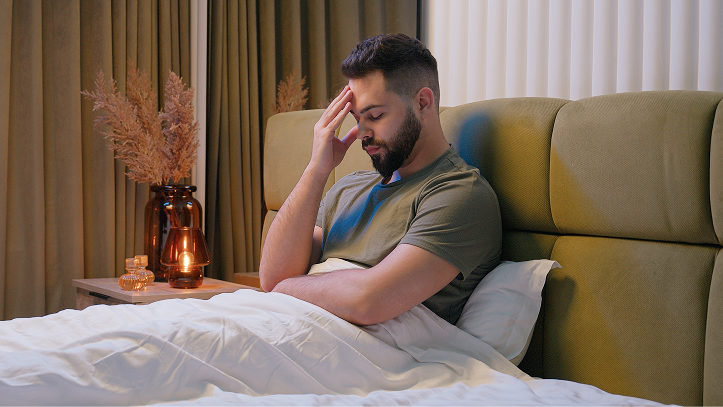
The signs of insomnia and other sleep concerns are not limited to nighttime. When sleep is disrupted, you may also notice changes in your energy, concentration, mood, or ability to manage daily activities.

Insomnia Symptoms
- Difficulty falling asleep
- Difficulty staying asleep
- Waking earlier than intended
- Trouble returning to sleep
- Feeling tired after sleeping
- Difficulty concentrating
- Daytime fatigue
- Changes in mood or energy
Sleep Disorder Symptoms
- Changes in usual sleep patterns
- Excessive daytime sleepiness
- Unrefreshing sleep
- Irregular sleep schedule
- Sleep disruptions affecting daily life
- Ongoing sleep quality concerns
Possible Benefits of NeurOptimal® Neurofeedback
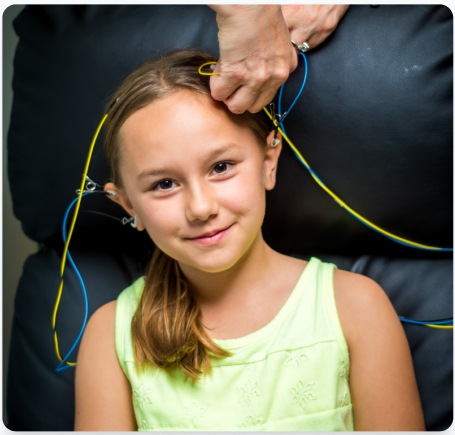
NeurOptimal® Neurofeedback may be explored as a complementary wellness tool for individuals experiencing sleep-related concerns. It provides information about changes in brain activity rather than directing the brain toward a specific outcome.

Encourages self-regulation
Drug-free and non-invasive
Promotes adaptability
Personalized sessions
Supports stress resilience
Can fit into an individualized wellness plan
Complements existing care
How Can Dynamical Neurofeedback®
Support People Living With Insomnia and Sleep Disorders?
NeurOptimal® is not a treatment for insomnia and sleep disorders. It is a gentle wellness option that may complement existing care for sleep concerns. During a session, NeurOptimal® provides real-time feedback on brain activity that may support self-regulation and healthier sleep patterns over time.

Because sleep difficulties can have many possible causes, neurofeedback should not be viewed as a replacement for medical evaluation, insomnia therapy, or other appropriate care.



Managing Sleep Disorders and Insomnia Through Lifestyle Medicine
Sleep is closely connected with the rest of your daily routine. Nutrition, movement, stress, sleep habits, and other aspects of your overall well-being can all influence how you feel and function.
At Optimal Health Rx, Lifestyle Medicine takes a whole-person approach to wellness. Together, we can explore practical changes that fit your circumstances, preferences, and everyday life.
When combined with neurofeedback, Lifestyle Medicine may provide another avenue for wellness support while you continue the medical, behavioral, or therapeutic care that is appropriate for you.
Find a More Supportive Approach to Better Sleep
When sleep becomes difficult, it can affect more than your nights. It may influence how you feel, think, and function throughout the day.
Whether you are exploring insomnia management, looking for a complementary wellness option, or simply want to better understand your sleep and overall brain wellness, Optimal Health Rx offers approaches designed to complement your existing care.
Frequently Asked Questions
Can neurofeedback replace insomnia therapy?
No. Insomnia therapy may include behavioral approaches and other forms of professional care designed to address sleep concerns. NeurOptimal® is offered at Optimal Health Rx as a complementary wellness tool and is not intended to replace appropriate medical, behavioral, or therapeutic care.
Can neurofeedback be part of insomnia management?
NeurOptimal® Neurofeedback at Optimal Health Rx may be considered as one complementary option within a broader insomnia management plan. It may provide wellness support around areas such as self-regulation, adaptability, and stress resilience.
Can NeurOptimal® be used alongside sleep therapy?
Yes. You may explore NeurOptimal® Neurofeedback alongside appropriate medical, behavioral, or therapeutic care. If you already work with a healthcare provider or sleep professional, we encourage you to keep your care team informed when adding a new wellness service.
Does insomnia medication replace neurofeedback?
No. Insomnia medication and NeurOptimal® Neurofeedback serve different purposes and are not interchangeable. If you take prescribed medication for sleep or another health concern, do not stop, reduce, or change your medication based on neurofeedback. Speak with your healthcare provider before making changes to your medication.
Does Optimal Health Rx provide insomnia treatment in Burlington?
Optimal Health Rx does not diagnose or provide medical treatment for insomnia or other sleep disorders. We offer NeurOptimal® Dynamical Neurofeedback® and Lifestyle Medicine as complementary wellness services that may be considered alongside appropriate professional care.
Start Your Neurofeedback Experience
No talking, no effort, and no invasiveness — just calm sessions that support your brain’s natural regulation.