Understanding ADHD and Autism
Living with ADHD or autism can affect more than attention or behavior. These conditions can influence how a person experiences communication, sensory information, emotions, routines, relationships, and everyday demands. While ADHD and autism are distinct neurodevelopmental conditions, some characteristics may overlap, and each person's experience can look very different.
What Is ADHD?
ADHD, or attention-deficit/hyperactivity disorder, can affect attention, impulse control, organization, activity level, and executive functioning. These differences can influence how someone focuses, manages tasks, or responds to everyday demands.
What Is Autism?
Autism, or autism spectrum disorder, is associated with differences in social communication, sensory processing, routines, repetitive behaviors, and focused interests. Each autistic person has their own strengths, experiences, and support needs.
What Causes ADHD and Autism?
There is no single cause of ADHD or autism. Both are complex neurodevelopmental conditions influenced by multiple factors, including genetics and differences in brain development and functioning.
What Causes ADHD?
Several factors may contribute to
ADHD, including:
- Genetics and family history
- Differences in brain development
- Differences in brain function and activity
- Environmental factors
What Causes Autism?
Research suggests that autism develops through a combination of genetic and developmental factors, including:
- Genetic factors
- Differences in early brain development
- Differences in neurological functioning
- Certain developmental factors
Symptoms of ADHD and Autism
ADHD and autism can share certain characteristics, but the way these characteristics appear can differ considerably. Understanding individual experiences can help guide appropriate evaluation and support.

ADHD Symptoms
- Difficulty sustaining attention
- Easily distracted
- Forgetfulness
- Impulsivity
- Restlessness
- Difficulty organizing tasks
- Challenges with time management

Autism Symptoms
- Differences in social communication & interaction
- Sensory sensitivities
- Repetitive behaviors
- Preference for routines
- Difficulty with unexpected changes
- Focused interests
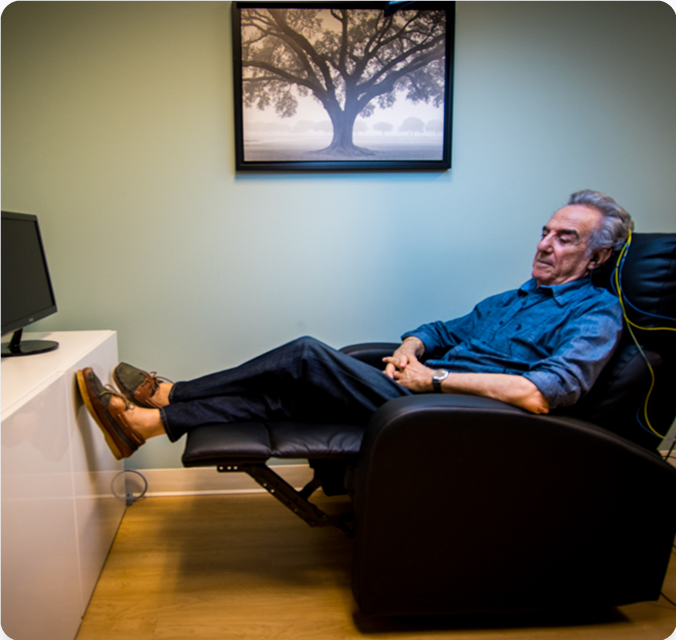
Possible Benefits of NeurOptimal® Neurofeedback
For individuals with ADHD or autism, NeurOptimal® Neurofeedback may be used as a complementary wellness tool to support areas that can affect everyday functioning.

Support for self-regulation
Drug-free and non-invasive
Personalized sessions
Support for emotional regulation
Greater stress resilience
Complements existing care plans
Support for adaptability
How Dynamical Neurofeedback Can Support People Living With ADHD and Autism
Every brain responds to information and everyday demands differently. NeurOptimal® Dynamical Neurofeedback® provides real-time feedback based on changes in brain activity, helping the brain recognize its own patterns and respond naturally.




Lifestyle Medicine: A Whole-Person Approach to ADHD and Autism
Brain wellness is connected to the way we sleep, move, eat, manage stress, and move through our daily routines. At Optimal Health Rx, Lifestyle Medicine helps you explore practical changes that support your overall well-being while honoring your individual needs and preferences.
When paired with neurofeedback, this whole-person approach can offer additional support alongside the medical, behavioral, educational, or therapeutic care that is already part of your journey.
Begin Your Journey Toward Better Brain Health
ADHD or autism doesn't have to limit the possibilities for a supported, fulfilling life.
Whether you're looking for additional support alongside your current care or exploring a new approach to brain wellness, our team is here to help you find an option that feels right for you or someone you love.
Frequently Asked Questions
Can neurofeedback replace ADHD therapy or autism therapy?
No. ADHD therapy and autism therapy provide specialized support for clinical, behavioral, developmental, communication, or emotional needs. At Optimal Health Rx, NeurOptimal® is offered as a complementary wellness tool and is not intended to replace appropriate professional care.
Can neurofeedback be part of ADHD management or autism management?
A broader ADHD management or autism management plan may include different types of professional and wellness support. NeurOptimal® may be considered as one complementary option to support areas such as focus, self-regulation, adaptability, and stress resilience.
Can NeurOptimal® be used alongside therapy?
Yes. NeurOptimal® may be incorporated into a wellness plan alongside appropriate medical, behavioral, educational, or therapeutic care. If you or your child already works with a healthcare or therapy professional, we encourage you to keep your care team informed when adding a new wellness service.
Does ADHD medication replace neurofeedback?
No. ADHD medication and NeurOptimal® serve different purposes and are not interchangeable. If you or your child takes prescribed medication, do not stop or change it based on neurofeedback. Speak with your healthcare provider before making changes to medication.
Does Optimal Health Rx provide autism therapy in Burlington?
If you're searching for autism therapy in Burlington, it's important to know that Optimal Health Rx does not diagnose autism or provide autism-specific therapy. We offer NeurOptimal® Dynamical Neurofeedback® and Lifestyle Medicine as complementary wellness services that may be considered alongside appropriate professional support.
Start Your Neurofeedback Experience
No talking, no effort, and no invasiveness — just calm sessions that support your brain’s natural regulation.