Understanding Anxiety and PTSD
Living with anxiety or PTSD can affect far more than your emotional well-being. Both conditions influence how the brain responds to stress, which may impact your sleep, relationships, concentration, work performance, and overall quality of life. While they share some similarities, they develop differently and may benefit from nervous system regulation in addition to conventional treatment modalities.
What Is Anxiety?
Anxiety is the body's natural response to stress or uncertainty. When worry becomes persistent, excessive, or difficult to control, it may interfere with daily life and develop into one of several anxiety disorders.
What Is PTSD?
PTSD, or post-traumatic stress disorder, may develop after experiencing or witnessing a traumatic event. Even after the danger has passed, the brain may continue responding as though it is still under threat, making it difficult to feel safe or fully present.
What Causes Anxiety and PTSD?
Every person's experience is different, and there is rarely a single explanation for why these conditions develop.
What Causes Anxiety?
Several factors may contribute to
anxiety, including:
- Genetics and family history
- Ongoing stress
- Major life changes
- Hormonal changes
- Medical conditions
- Poor sleep habits
What Causes PTSD?
PTSD develops after exposure to trauma, but not everyone who experiences trauma develops PTSD. Common causes include:
- Military service
- Physical or emotional abuse
- Serious accidents
- Natural disasters
- Medical emergencies
- Violent events
Symptoms of PTSD and Anxiety
There is no single cause of anxiety or PTSD. Genetics, life experiences, ongoing stress, and traumatic events can all play a role.
Understanding these factors helps guide a more personalized approach to care.

Anxiety Symptoms
- Persistent worry
- Racing thoughts
- Restlessness
- Difficulty concentrating
- Muscle tension
- Trouble sleeping
- Anxiety attacks

PTSD Symptoms
- Flashbacks
- Nightmares
- Hypervigilance
- Avoidance of trauma reminders
- Emotional numbness
- Easily startled
- Sleep disturbances

Possible Benefits of NeurOptimal® Neurofeedback
Neurofeedback therapy supports the brain's natural ability to adapt and self-regulate, helping many individuals living with anxiety and PTSD build greater resilience over time.

Improved emotional
Better stress resilience
More restful sleep
Greater focus and mental clarity
Increased sense of calm
Drug-free, non-invasive support
Personalized sessions
Complements existing treatment plans
How Dynamical Neurofeedback® Can Support People Living With Anxiety and PTSD
Every brain responds to stress differently. Neurofeedback supports your brain's natural ability to recognize its own patterns and improve how it self-regulates over time.

How Safe is Dynamical Neurofeedback®?
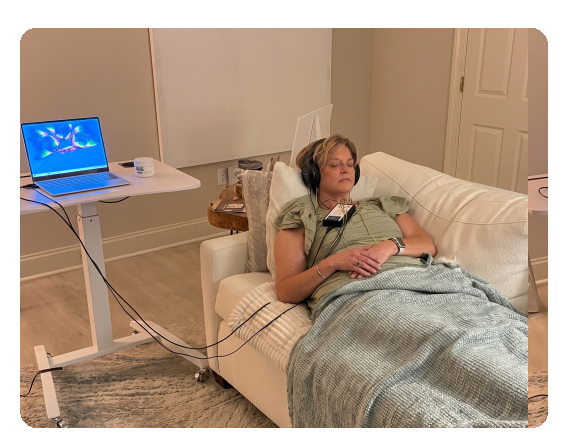
Neurofeedback therapy using NeurOptimal® is completely non-invasive. The sensors simply monitor brain activity, without electrical stimulation or signals to the brain.
Sessions are comfortable, relaxing, and personalized to each individual. Because neurofeedback supports the brain's natural learning process, many people choose it alongside other evidence-based treatments recommended by their healthcare providers.

100%
Drug-Free

Non-Invasive

No Stimulation
Lifestyle Medicine: A Whole-Person Approach to Anxiety and PTSD Recovery
Managing anxiety and PTSD often involves more than addressing symptoms alone. At Optimal Health Rx, we combine neurofeedback with Lifestyle Medicine to support the everyday habits that influence brain and nervous system health.
Nutrition, restorative sleep, physical activity, stress management, and positive social connections all play an important role in supporting emotional well-being. Together, these approaches create a personalized care plan that supports long-term resilience and overall wellness.
Begin Your Journey Toward Better Brain Health
Living with anxiety or PTSD doesn't have to define your future.
Whether you're looking for additional support alongside your current treatment plan or exploring a new approach to brain wellness, our team is here to help.
Frequently Asked Questions
Can neurofeedback replace anxiety medication or PTSD medication?
No. Neurofeedback for anxiety and PTSD is not intended to replace anxiety medication or PTSD medication. Many people use neurofeedback alongside prescribed medications, psychotherapy, and Lifestyle Medicine as part of a personalized treatment plan. Always speak with your healthcare provider before making changes to your medication.
Can neurofeedback be used alongside anxiety therapy or PTSD therapy?
Yes. Many individuals incorporate neurofeedback into their anxiety therapy or PTSD therapy plan. Because it supports the brain's natural ability to self-regulate, it can complement other evidence-based treatments and help support emotional well-being.
Can neurofeedback support anxiety management and PTSD management?
Neurofeedback is often included as part of a comprehensive anxiety management or PTSD management plan. Combined with healthy lifestyle habits, therapy, and medical care when needed, it may help support stress resilience, emotional regulation, and overall brain health.
What is the difference between PTSD and anxiety?
One of the biggest differences between PTSD and anxiety is that PTSD develops after experiencing or witnessing a traumatic event, while anxiety disorders can develop with or without a specific traumatic experience. Although both conditions may share symptoms such as fear, sleep disturbances, and difficulty concentrating, the underlying causes and treatment approaches may differ.
I'm searching for PTSD and anxiety therapy near me. Does Optimal Health Rx provide these services?
If you're living in Burlington or nearby and have been searching for “PTSD and anxiety therapy near me”, “anxiety and PTSD therapist near me”, “anxiety therapy Burlington”, or “PTSD treatment Burlington”, then you’re in the right place. Optimal Health Rx offers neurofeedback services in Burlington as part of a personalized, whole-person approach to care. Neurofeedback can complement therapy, medication, and Lifestyle Medicine to support your overall well-being.
Start Your Neurofeedback Experience
No talking, no effort, and no invasiveness — just calm sessions that support your brain’s natural regulation.